Nuvek Display Font for Eye-Catching Campaigns
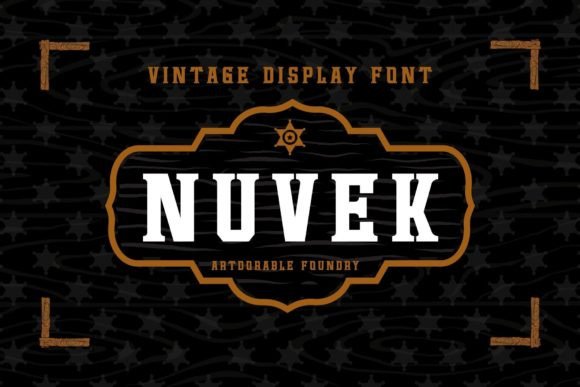
As I sat down to design the latest product teaser for a seasonal sale, I needed a font that would stand out in a sea of generic typography. That’s when I turned to Nuvek, a cool and unique display font that immediately caught my attention with its versatility and style. From wedding invitations to social media posts, Nuvek has the kind of character that makes it feel like a natural fit for any creative project.
Nuvek for Wedding Invitations and Elegant Branding
Nuvek as a display font brings an elegant flair to any design, especially when used in wedding invitations or branding materials. Its clean lines and slightly stylized curves give it a modern yet classic appeal, making it perfect for creating a sense of sophistication. When designing a wedding invitation, I paired Nuvek with a minimalist sans serif font for body text, ensuring the headline stood out without overwhelming the reader. The result was a cohesive look that felt both professional and personal.
The font’s versatility allowed me to experiment with different weights and styles, which helped create visual interest while maintaining readability. Whether I used it on a digital banner or printed card, Nuvek always delivered a polished finish that aligned with the brand’s aesthetic.
Nuvek in Social Media Graphics and Instagram Posts
When building a series of Instagram posts for a new product launch, I knew I needed something that would grab attention in a fast-scrolling feed. Nuvek came in handy for crafting eye-catching headlines and callouts. I used it for short, punchy phrases like “Limited Stock Alert” and “New Arrivals,” which worked well in square and vertical formats.
I also tested how Nuvek performed on mobile screens and found that its legibility remained strong even at smaller sizes. This made it ideal for thumbnails and story overlays where space is limited. For a Pinterest campaign, I layered Nuvek over dark backgrounds with light text, which enhanced contrast and made the content more scannable.
One thing to note is that Nuvek works best for short bursts of text rather than long paragraphs. It adds visual weight to headlines and labels but isn’t suited for dense blocks of copy. This makes it perfect for social media graphics, YouTube thumbnails, and digital ads where brevity is key.
Nuvek for Digital Ads and Website Banners
In a recent digital ad campaign for an online shop, I used Nuvek as the primary font for the headline section. Its bold and dynamic presence helped draw the viewer’s eye immediately to the main message. I paired it with a clean sans serif font for supporting text, which created a balanced hierarchy without clashing.
Testing across different platforms, I noticed that Nuvek maintained its visual impact on both desktop and mobile devices. This consistency is crucial for brand recognition, especially when running cross-channel campaigns. For website banners, I used Nuvek in combination with subtle animations to make the header pop without distracting from the overall design.
Another benefit of using Nuvek is its compatibility with various file formats, including web-safe options like WOFF and TTF. This flexibility made it easy to integrate into different design tools and export for use in digital assets.
Nuvek and Creative Font Pairings for Campaign Consistency
To maintain visual harmony in a campaign, I often pair Nuvek with complementary fonts. For a more modern look, I used it alongside a sleek sans serif font like Montserrat for body text. For a more traditional feel, pairing it with a serif font like Playfair Display added elegance to editorial-style designs.
I also experimented with using Nuvek in combination with script or handwritten fonts for a more personalized touch. However, I made sure to keep the contrast between the two fonts minimal to avoid visual clutter. This approach helped create a consistent look across all campaign elements, from email headers to landing page banners.
Before finalizing any design, I always check the font’s licensing terms to ensure it’s suitable for commercial use, especially when working with client campaigns or digital products. Understanding the available styles, alternates, and multilingual support helps streamline the design process and avoid last-minute revisions.